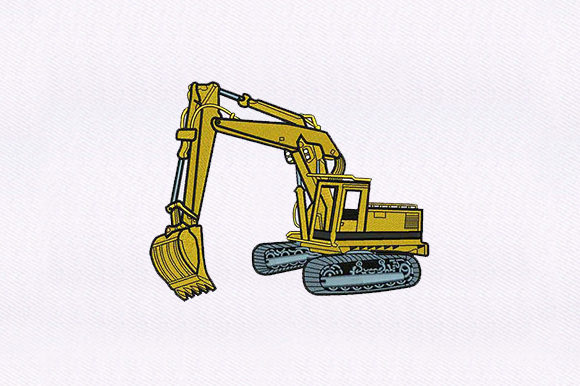
Excavator Embroidery Design Review for Small Business Merch
Real-World Applications for Small Business Merch
The Excavator design can be adapted into various branded items, each requiring different considerations. Let’s break down how it could perform across several common applications:
Embroidered Patches
- Staff Uniforms: Excavator works well as a chest patch for work shirts or jackets, especially for café staff, delivery teams, or boutique employees.
- Aprons & Workwear: Its detailed nature makes it a standout addition to aprons, reinforcing a brand's connection to craftsmanship or industry-specific themes.
- Cap Embroidery: On caps, Excavator can serve as a subtle yet recognizable back patch or a more prominent front emblem, depending on size and placement.
Tote Bags and Apparel Decorations
- Tote Bag Design: Placed centrally on a tote bag, Excavator adds a unique touch without overwhelming the design. It’s especially effective for handmade shops or craft brands looking to highlight their artisanal roots.
- Custom Apparel: Whether as a sleeve detail or a side panel graphic, this embroidery design enhances casual wear while maintaining a professional look.
Event Merch and Customer Gifts
Excavator’s premium appearance elevates event merchandise like custom lanyards, pins, or promotional hats. For customer gifts such as embroidered patches or mini tote bags, it reinforces brand recognition and professionalism.
Boutique and Etsy Branding
This design is particularly suitable for Etsy sellers and boutique owners who want to create visually consistent products. When used on labels or as a signature motif on handmade goods, Excavator helps build a cohesive brand identity that customers can easily recognize and trust.
Where Excavator Should Be Used Carefully
- Small Patch Sizes: At smaller sizes, some details may become less visible. Always test at scale before finalizing production.
- Curved Surfaces: Due to its intricate lines, Excavator may not translate perfectly on curved surfaces like baseball caps unless properly scaled and positioned.
- Textured Fabric: The design’s fine outlines can be lost on thick or textured materials. Consider using a tighter weave or adding stabilizer for clarity.
- Dark Uniforms: Thread color contrast is crucial here. If you’re stitching on dark fabrics, ensure thread colors are bright or metallic to stand out.
- High Stitch Density: Detailed designs often have dense stitching, which may cause puckering if not stabilized correctly. Test on similar fabric before bulk production.
- Tiny Lettering (if included): If the design contains text or numbers, they might be too small for optimal visibility. Check spacing and sizing thoroughly.
Impact on Brand Identity and Buyer Engagement
When integrated thoughtfully, Excavator can significantly enhance your brand’s visual consistency. It offers a unique element that sets your products apart from generic logos or standard graphics. As a machine embroidery design, it allows for precision and uniformity, essential for building customer trust and recognition.
For businesses in the handmade or local market space, using Excavator on apron embroidery or tote bag designs signals a commitment to quality and attention to detail. Customers respond positively to such branding cues, associating them with authenticity and professionalism.
Moreover, the design’s adaptability ensures it complements other design assets within your brand portfolio. It can be paired with minimalist fonts or abstract patterns, depending on your overall aesthetic, to maintain a balanced and stylish look.
Designer Tips for Using Excavator in Commercial Projects
- Test in Black and White First: Before choosing specific thread colors, check the design in grayscale to ensure all elements remain visible and distinct.
- Review Size Options: Make sure Excavator looks good at the intended dimensions—especially for small patch sizes or cap fronts.
- Check Thread Color Contrast: Use thread colors that complement your fabric and reinforce your brand palette. Avoid low-contrast combinations on dark backgrounds.
- Inspect Spacing and Alignment: Ensure no overlapping or misalignment occurs, particularly if the design includes multiple layers or complex outlines.
- Confirm Hoop Size: Although hoop size isn’t specified in the product description, it’s important to verify compatibility with your embroidery machines to avoid distortion.
- Use Proper Stabilizer: Especially on stretchy or thin fabrics, a good stabilizer will prevent shifting and puckering during the embroidery process.
- Test on Real Fabric: Always do a trial run on the actual material you plan to use. This helps identify any issues with stitch density or fabric texture.
- Create a Printable Mockup: Show clients what Excavator will look like on their finished product—whether it’s a tote bag, cap, or apron—before moving forward with production.
- Compare With Other Design Assets: Ensure Excavator aligns with your current logo, font styles, and color schemes to maintain a unified brand image.
- Confirm Commercial Licensing: Since this is a digital embroidery file, double-check that you have the appropriate license for commercial use. This is vital for embroidery shops and product decorators.
Final Thoughts: Elevating Your Merchandise with Excavator
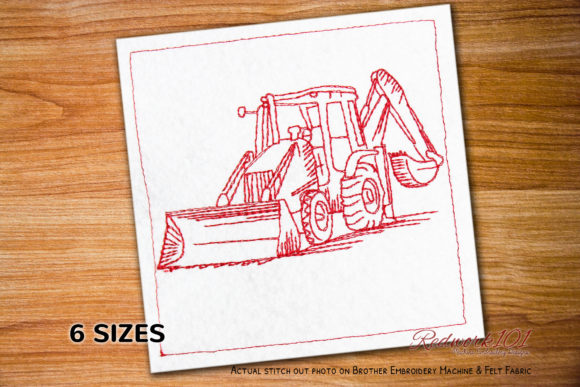
In summary, the Excavator machine embroidery design is a valuable asset for small business owners and product designers seeking to add a touch of sophistication and individuality to their merchandise. Its bold presence and high level of detail make it suitable for a wide range of uses—from embroidered patches to tote bag designs and beyond.
However, like any embroidery file, it requires careful planning and testing to ensure it performs well across different mediums and maintains its visual impact after repeated use or washing. By following the tips above, you’ll maximize the effectiveness of Excavator and ensure it contributes positively to your brand’s identity and customer engagement.
If you're looking for a design that bridges the gap between modern and classic aesthetics, Excavator is worth considering. Just remember to evaluate its fit with your brand and take the time to test it before large-scale production.