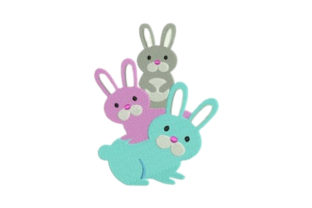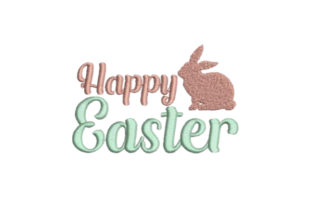
Happy Easter Bunny Embroidery Review for Business Use
First Impressions: Festive and Versatile
As an experienced embroidery designer, the first thing I notice about Happy Easter Bunny is its charm and simplicity. The name and description immediately evoke a sense of joy, warmth, and tradition—key elements that many small businesses look for in seasonal branding. This design feels handmade yet professional, with a balance between playfulness and elegance that makes it suitable for both casual and branded applications. The description highlights it as “simple and elegant,” which is music to my ears when considering how it will translate into embroidered form. A clean aesthetic allows for more flexibility in placement and fabric choice, especially important when designing for custom apparel or product labels. While not overly intricate, the joyful imagery of an Easter bunny suggests a character-based design that can add personality without overwhelming the viewer.Business Applications and Design Performance
Embroidered Patches: Happy Easter Bunny works exceptionally well as an embroidered patch. Its cheerful nature fits perfectly on tote bags, aprons, or even as part of a gift set for customers. When using it as a patch, I recommend testing it at smaller sizes to ensure details remain clear and recognizable after washing and handling.
Staff Uniforms: For small business owners looking to add a festive touch to staff uniforms, this design can serve as a subtle chest logo accent. It’s ideal for cafés, boutiques, or creative studios wanting to celebrate the season while maintaining a professional appearance. However, if your uniform uses dark-colored fabric, consider thread color contrast carefully to make the design pop.
Apron Embroidery: Handmade shops and bakeries often use aprons as part of their brand identity. Happy Easter Bunny could be a great detail along the sleeve or waistband during springtime promotions. Just keep in mind that high stitch density might affect breathability, so choose lighter-weight stabilizers and breathable fabrics for comfort.
Cap Embroidery: Placing this design on the front of a cap could work, but due to the curved surface, it’s best suited for a flat cap rather than a traditional baseball cap. If you're planning to use it on caps, request a printable mockup to see how the design adapts to the curvature before finalizing production.
Tote Bag Design: Tote bags are a popular item for small businesses, especially during holidays. Happy Easter Bunny adds a personal and seasonal touch, making it perfect for event merch or customer gifts. Since tote bags may experience frequent use and washing, test the design on actual fabric to confirm durability and clarity over time.
Design Considerations for Commercial Embroidery
When evaluating any machine embroidery design for commercial use, several factors come into play. With Happy Easter Bunny, there are a few key considerations:- Small Patch Sizes: The design’s simplicity helps it scale down effectively. That said, always check the smallest hoop size required and test the file at reduced dimensions to maintain visual impact.
- Curved Surfaces: If used on items like caps or curved promotional wear, the design should be adjusted accordingly to avoid distortion. A flat layout is essential for these types of projects.
- Thread Color Contrast: Because the design leans towards a soft and decorative style, choosing thread colors that stand out against your fabric is crucial. Avoid using similar shades on light backgrounds unless you’re going for a subtle, rustic feel.
- Fabric Texture: Textured fabrics such as canvas or linen may cause some stitching inconsistencies. Smooth cotton or polyester blends tend to yield the best results.
- High Stitch Density: Depending on the complexity of the bunny illustration, areas with high stitch density might need extra stabilizer support. This ensures the finished product remains neat and doesn’t pucker or stretch.
Impact on Brand Identity and Customer Engagement
Seasonal designs like Happy Easter Bunny offer a unique opportunity to connect with your audience in a timely and relevant way. For businesses in the food, craft, or lifestyle industries, this design can reinforce a friendly and approachable brand image. Its cute and joyful presence aligns well with the Easter theme, making it an excellent choice for boutique merchandise, handmade products, or Etsy branding during the spring months.
Customer Trust and Recognition
The consistent use of a design like Happy Easter Bunny across multiple items—such as work shirts, tote bags, or product packaging accents—can help build visual consistency and strengthen brand recognition. Customers begin to associate the bunny with your business’s seasonal offerings, increasing buyer engagement and loyalty.
Professionalism and Product Value
While the design is playful, it still maintains a level of professionalism due to its clean lines and balanced composition. Used thoughtfully, it elevates the perceived value of your small business merch and supports a cohesive aesthetic across all branded assets. Whether it's for an embroidered patch or a sleeve detail, the bunny’s design complements both classic and modern styles.
Designer Notes for Implementation
- Test in Black and White First: Before committing to full-color thread, run a black-and-white version to evaluate stitch coverage and overall shape.
- Check Small Patch Size Compatibility: Confirm whether the design holds up visually when scaled down for patches or small labels.
- Review Thread Colors: Choose thread colors that align with your brand palette and provide sufficient contrast on the chosen fabric.
- Inspect Spacing and Proportions: Ensure the bunny is proportionally placed within the hoop and spaced correctly to prevent overcrowding or misalignment.
- Confirm Hoop Size Requirements: If the digital embroidery file does not specify hoop size, always verify it through a sample run or by contacting the seller.
- Use Proper Stabilizer: Especially for darker or textured fabrics, backstabilizer or tear-away options can help achieve smooth, wrinkle-free embroidery.
- Test on Real Fabric: No matter how good the preview looks, always embroider a sample on the actual fabric you plan to use for production.
- Create a Printable Mockup: Share a high-quality mockup with your client or team to get feedback before proceeding with large orders.
- Compare Beside Other Design Assets: Make sure the bunny integrates well with existing logos or text for a unified brand identity.
- Confirm Commercial Licensing: Always double-check the licensing terms of the digital embroidery file before using it in any commercial project.
Where to Use It Carefully
- Dark Uniforms: On dark-colored garments, the design may become less visible unless bold thread colors are used.
- Items That Need Frequent Washing: Designs with detailed outlines or high stitch counts may fade faster or lose definition if not properly stabilized.
- Tiny Lettering (if included): If the design includes any lettering or text, ensure it's large enough to remain legible after embroidery.
- Textured Fabrics: As mentioned earlier, textured materials may compromise the crispness of the bunny’s features. Test thoroughly before mass production.