Playful Quilting for Real Projects: A Designer’s Perspective
As an embroidery designer with years of experience creating custom pieces for clients, I always approach a new design like Playful Quilting with both excitement and caution. This machine embroidery design isn’t just another file to stitch—it’s a potential asset for handmade products, personalized gifts, or even commercial items. The goal is to find designs that not only look good in theory but also perform reliably under the pressure of real-world use. Let’s break down how Playful Quilting fares when tested through the lens of practicality and visual impact.
First Impressions: What Does Playful Quilting Feel Like?
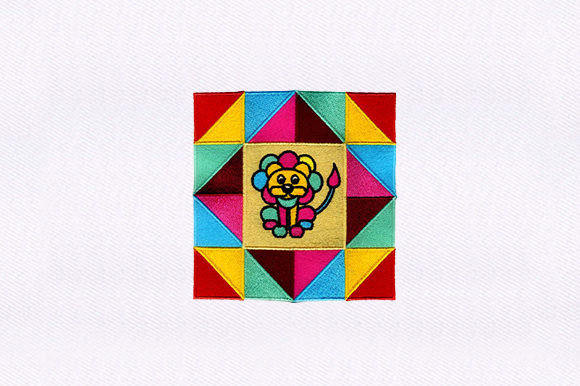
At first glance, Playful Quilting feels warm and inviting. Its layout suggests a cozy, whimsical vibe—perfect for bedroom-themed projects or anything aiming to create a sense of comfort and charm. The pattern includes soft curves, playful motifs, and a balanced mix of fill and satin stitches. It doesn’t scream for attention but rather draws you in with its gentle rhythm and detail. For someone running a craft business or selling handmade items on Etsy, this kind of visual personality can help set the tone for a product line that feels thoughtful and artisanal.
I immediately thought of using it on a custom sweatshirt for a boutique client who wanted something unique for their holiday gift collection. The design’s scale and complexity were just right—not too busy, but detailed enough to make a statement. That said, I also noticed that the smaller elements might require some attention when stitched onto different fabrics or surfaces.
Real-Life Embroidery Use: Where Does Playful Quilting Shine?
Playful Quilting works well in several real-life scenarios. Here are the top uses where it truly stands out:
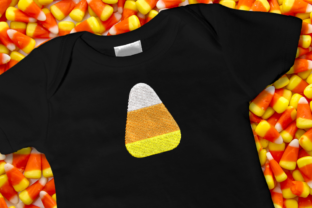
- Custom Apparel: Sweatshirts, t-shirts, and hoodies benefit from its soft aesthetic. Especially in baby or children's wear, the design adds a touch of warmth without being overwhelming.
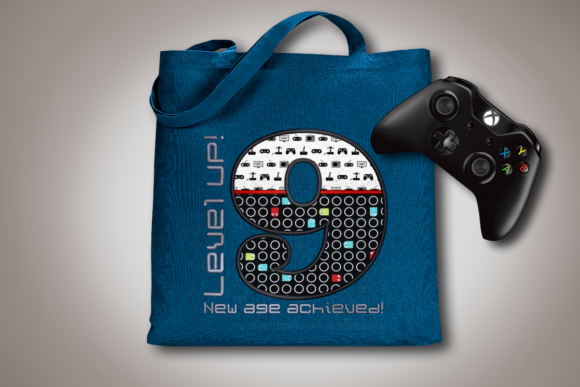
- Tote Bag Design: On cotton canvas or similar fabric, this design looks great as a front-facing embroidered patch. It elevates the finished product into a stylish, functional item.
- Pillow Covers & Nursery Decor: The motif fits beautifully into home décor items. It brings a personal touch to pillow covers, adding character without clashing with other patterns.
- Holiday Embroidery: With its rounded shapes and light-hearted feel, it could be reimagined for Christmas stockings, New Year’s aprons, or Easter egg decorations with minimal tweaks.
- Embroidered Patches: When used as an applique design, the structure holds up well. The stitch density is moderate, making it suitable for layered garments or sew-on patches.
For small shop owners or Etsy sellers, the design offers versatility. You can adapt it across multiple products—think tea towels, baby blankets, or even cap embroidery. Its consistent theme ensures brand recognition while allowing room for customization with thread colors or placement.
Where Caution Is Needed: Avoiding Stitching Pitfalls
While Playful Quilting has many strengths, there are a few areas where it requires careful consideration:
- Small Hoop Sizes: The design is intended for a 6×6 hoop size, which is generous for most applications. However, if you're trying to fit it into a smaller space (like a tiny patch or hat), you’ll need to resize it carefully to maintain clarity.
- Stretchy or Thin Fabrics: The stitch density and directional flow may cause puckering or distortion on stretchy materials like knits or jersey. A firm stabilizer is essential here.
- Dark Fabric Backgrounds: The thread colors provided with the digital embroidery file may not pop as well on darker bases. Always test thread contrast before committing to a large batch of tote bags or apparel.
- Detailed Corners and Tiny Lettering: If the design includes intricate edges or small text, these could lose definition when resized or stitched on textured surfaces. Be sure to inspect those details closely during your test run.
- Frequent Washing: While the design is generally stable, dense stitch areas may fade or fray over time if not stabilized properly. This is especially important for baby clothes or kitchen towels.
One thing I learned early on is that no matter how beautiful a design appears on screen, it needs to be tested on actual project materials. I always recommend doing a trial stitch on scrap fabric before moving forward with production. It helps identify any issues with fabric texture, thread tension, or stitch behavior that aren't visible in a preview image.
Visual Appeal vs. Stitching Clarity: Striking the Right Balance
What makes Playful Quilting stand out is how well it balances visual appeal with stitching clarity. The motifs don’t feel cluttered, and the stitch paths are clean and logical. As an embroidery project, it gives a polished finish that enhances the overall value of the handmade product. Customers tend to respond positively to designs that look intentional and professional—even if they’re meant for casual or decorative use.
When applied to a white sweatshirt, the design becomes a subtle focal point. But on a more colorful or patterned background, it can get lost unless the thread colors are adjusted. I’ve found that using black and white mockups before finalizing the thread palette is a smart move. It shows whether the design will hold its shape and readability after being digitized and stitched.
Customer Trust and Brand Consistency
In the world of handmade shops and small businesses, customer trust is built on consistency. Playful Quilting supports that by offering a reliable, repeatable design that looks good across multiple items. Whether you're producing a batch of custom baby onesies or designing a line of embroidered pillows for a boutique, the design’s predictable performance helps maintain quality control.
Its cohesive style also aids in brand consistency. If you're an Etsy seller focusing on cozy, modern home goods, this design aligns perfectly with that identity. It can be used as part of a curated set of design assets, helping customers recognize your signature look across products.
Design Notes for Embroidery Project Success
To ensure your Playful Quilting embroidery project turns out as expected, here are a few practical tips:
- Test on Scrap Fabric: Try stitching it on a sample piece of the same material you'll be using for the final product. This helps catch any issues with stabilizer, tension, or fabric deformation.
- Check Thread Color Contrast: Especially if you plan to sell it as a digital embroidery file, consider advising buyers to evaluate thread choices based on their fabric type.
- Review Stitch Density: Dense areas might need extra support. If you're using this design on thin or delicate fabric, reduce the stitch density slightly to avoid holes or distortion.
- Confirm Hoop Size: Make sure your hoop setup matches the recommended 6×6 size. Resizing can affect the integrity of the design and lead to misalignment or skipped stitches.
- Inspect Small Details: Zoom in on the design file to check for hidden complexities or tiny elements that might not translate well to fabric.
- Use Proper Stabilizer: A tear-away or cut-away stabilizer is highly recommended for optimal results, especially on stretchier or woven materials.
- Check Licensing Before Selling: If you're planning to use this design commercially, verify the licensing terms. Some embroidery files allow resale of finished products, while others restrict commercial use.
Giftability and Professional Presentation
When it comes to gift-oriented items like personalized baby blankets or holiday-themed kitchen towels, Playful Quilting adds a level of charm that appeals to buyers. The design doesn’t feel too childish, yet it retains a sense of joy and creativity—ideal for parents, grandparents, or anyone looking for a thoughtful, handmade gift.
From a professional standpoint, the design contributes to a higher perceived value. Even basic items become special when enhanced with well-executed embroidery. As a reviewer, I can confidently say that this design helps elevate the presentation of your finished product, whether you're working on a single custom order or scaling up for a seasonal collection.
Final Thoughts: A Thoughtful Addition to Your Design Kit
Playful Quilting isn’t the kind of design that demands attention; instead, it earns it through subtlety and craftsmanship. It suits a range of handmade and commercial embroidery projects, particularly those centered around comfort, home life, and personalization. For hobbyists and creative entrepreneurs alike, it’s a solid choice for enhancing the visual and emotional appeal of their work.
Still, as with any machine embroidery design, success depends on execution. Pay attention to fabric types, stabilize appropriately, and always do a test stitch before going full-scale. If you're considering this for a bedroom-related project, rest assured it fits naturally into that category with its gentle, welcoming style.
Ultimately, Playful Quilting is a design that rewards careful planning and attention to detail. Used correctly, it can become a staple in your repertoire of digital embroidery files, helping you create products that speak to both the eye and the heart.