Safari Pilot Lion Applique – A Bold and Cute Embroidery Design for Craft Fairs
First Impressions: The Charm of Safari Pilot Lion Applique
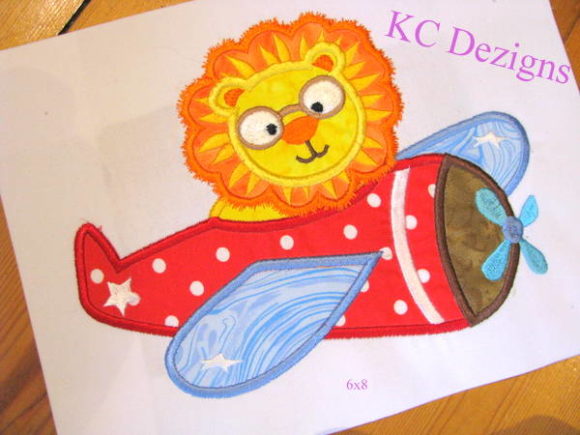
When I first saw the title and description for Safari Pilot Lion Applique, I knew it had potential. It immediately evokes a sense of adventure, whimsy, and playfulness—three elements that resonate well with customers at craft fairs and handmade markets. This design feels like it's made for boys' products, but its bold and cute nature can actually appeal to a wider audience, especially parents looking for fun, unique items for their little ones.Where Safari Pilot Lion Applique Shines
This design has a strong presence when applied to fabric. Its character-driven theme works particularly well on items like:
- Tote bag design: A large-scale version of this lion would make a great focal point, especially if paired with contrasting thread colors.
- Apron embroidery: The playful look of the Safari Pilot Lion could add charm to a child’s apron or even a themed adult one.
- Tea towel embroidery: If you're going for a farmhouse or rustic vibe, this design could be a perfect fit, especially with soft pastel thread shades.
- Embroidered patch: For those selling patches at markets, the lion’s distinct shape ensures visibility and interest from passersby.
- Fabric pouches and market bags: These are popular small shop products, and the design adds a personal touch that differentiates them from mass-produced alternatives.
Design Performance Across Product Types
This machine embroidery design is not just about looks—it also needs to perform. Here’s how it stands up to various applications:On Tote Bags: The larger format of tote bags allows the lion to be seen from a distance, making it ideal as a central graphic. Customers often gravitate toward colorful, character-based designs, so using this on your booth samples can help draw attention quickly.
On Aprons: Whether you're targeting kids or adults, the Safari Pilot Lion adds a fun element without being overwhelming. A smaller placement near the pocket or waistband can serve as a subtle accent while still adding visual interest.
On Tea Towels: With tea towels, stitch density becomes important. The design should hold up to frequent use and washing. I recommend testing it on textured fabrics to see how the details respond, especially in high-contrast thread colors.
On Patches: The lion's clear outline and defined features make it an excellent candidate for embroidered patches. They can be sold individually or added to other handmade items like backpacks or denim jackets to enhance their value.
On Caps: Curved surfaces present a challenge, but with the right hoop size and stabilizer, this design can work beautifully. Just be sure to adjust the placement so the lion sits correctly on the brim or crown of the cap.
On Pillow Covers: Decorative pillow covers are a hit at weekend craft fairs. The Safari Pilot Lion brings a modern yet classic feel, depending on how you choose to colorize it. Using bright thread colors will give it a more festive look, while muted tones can create a softer, premium appearance.
Production and Selling Considerations
As an embroidery business owner or Etsy seller, you want your designs to photograph well and maintain their quality in person. The Safari Pilot Lion Applique does both. Its bold lines and recognizable shape translate clearly in photos, which is essential for online listings and printable mockups. When displayed in real life, the design holds its charm and detail, making it a standout among other handmade products.
Batch Production and Brand Consistency
If you’re planning to produce this as part of a commercial embroidery collection, keep in mind that consistency matters. The design should be easy to understand at a glance and repeatable across multiple items. You’ll need to confirm hoop size and test it on scrap fabric before committing to a batch. Also, ensure that any tiny details or lettering in the design remain legible when scaled down for smaller products like pouches or caps.
Using the right stabilizer and adjusting thread colors based on the fabric background will significantly impact the final look. Dark fabric may require lighter threads for contrast, while light backgrounds offer more flexibility. Always compare how the design appears on different fabric textures and colors to maintain brand consistency across your line of craft fair products.
Commercial Use and Licensing
Before selling finished products featuring the Safari Pilot Lion Applique, it's crucial to check whether the digital embroidery file includes commercial licensing. Many digital sellers rely on files they haven’t verified for resale rights, which can lead to legal issues later. Confirm that you have permission to use the design in all intended applications—especially if you plan to scale production for a market season.
Handmade Quality and Customer Engagement
The key to successful handmade product sales is perceived value. A design like the Safari Pilot Lion can elevate simple items into something special. Whether it's on a tea towel or a market bag, the charm of the lion invites interaction. At a craft fair, customers might ask questions or comment on the design, leading to more engagement and potential sales.
For boutique makers and creative entrepreneurs, having a signature design like this in your booth display strengthens your overall aesthetic. It gives you a consistent visual identity while allowing room for creativity through color choices and fabric pairings. This is particularly useful if you're aiming for a farmhouse or rustic style, where handcrafted details matter most.
Visual Appeal and Booth Display Strength
At a weekend craft fair, your booth must grab attention quickly. The Safari Pilot Lion Applique has the potential to do just that. When stitched in vibrant colors, it acts as a beacon for parents and children alike. On a white canvas tote, for example, it can become the centerpiece of your handmade gift section. In darker tones, it can blend seamlessly into a more elegant or minimalist collection.
It’s also worth considering how the design can be used in multiple formats—like on a printable mockup for your Etsy listing or as a sample piece in your booth. Real-life examples of the finished product help buyers visualize the item in their own homes or wardrobes, increasing the likelihood of a sale.
Final Designer Notes and Careful-Use Tips
- Test on scrap fabric before committing to a full run. Especially if the design contains dense stitch areas or intricate details.
- Check thread colors against the fabric to ensure visibility and vibrancy.
- Review spacing and positioning to avoid overlapping or awkward placement, especially on curved or irregular surfaces like caps.
- Confirm the hoop size needed for each product type. Some items may require adjustments for proper fit and alignment.
- Inspect stitch density to prevent puckering or distortion, particularly on thick or stretchy fabrics.
- Use the appropriate stabilizer to support the design during stitching and drying processes.
- Create at least one real mockup to evaluate how the design looks and functions on the actual product.
- Compare how it looks on different fabric colors to determine the best options for your target market.
- Always verify commercial license terms before selling finished products to protect your business.