Witchy Girl Embroidery Design Review
First Impressions of Witchy Girl
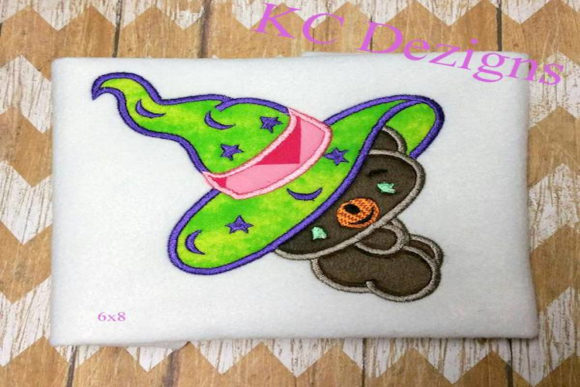
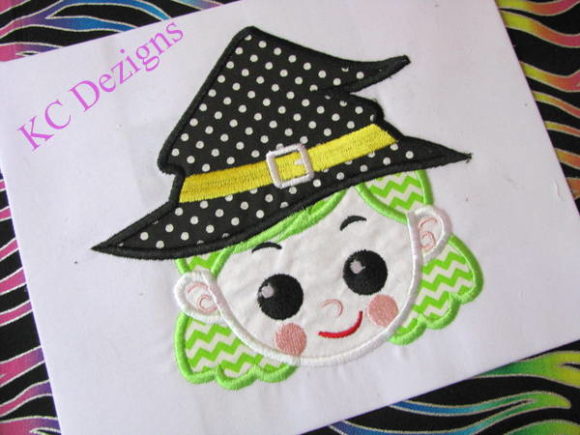
As an experienced embroidery designer, I always look for designs that bring a unique charm and emotional appeal to personalized gift products. Witchy Girl is no exception. This machine applique design exudes a playful yet elegant vibe, perfect for adding a touch of whimsy to your handmade creations. It feels both modern and seasonal—ideal for Halloween but versatile enough to work with other themes when paired thoughtfully.Applications for Personalized Gift Products
I tested Witchy Girl across several popular personalized gift items and found it adaptable to a wide range of uses:- Baby Blankets: The gentle curves and soft features of the design make it suitable for baby items, especially if you choose pastel thread colors to match a nursery theme.
- Embroidered Towels: On kitchen towels or bath mats, this design adds a festive flair without being too garish. Just ensure the stitch density is appropriate for the towel's thickness.
- Pillow Covers & Nursery Decor: Stitching Witchy Girl onto pillow covers or wall hangings can create a charming focal point for a themed nursery or living room.
- Custom Tote Bags: As a standalone or part of a layered design, it looks great on cotton or canvas tote bags. A subtle touch for everyday use or a standout feature at a craft fair.
- Wedding Keepsakes: While primarily a Halloween design, Witchy Girl could be creatively reimagined as a whimsical wedding favor, especially for couples with a love for fantasy or folklore themes.
- Apron Embellishments: For those into seasonal baking or witch-themed costume parties, this design adds a fun and decorative element to aprons.
Emotional Appeal and Customer Attraction
One of the strengths of Witchy Girl is its emotional connection. It’s not just a visual—it tells a story. Customers are often drawn to embroidery that feels like a piece of art, and this design does exactly that. It evokes nostalgia for childhood Halloween memories while also offering a trendy aesthetic that appeals to younger buyers. When displayed as a printable mockup, the design stands out as a high-quality embroidery file. It makes finished products feel more thoughtful and intentional, which increases perceived value. This is especially important for handmade product creators who rely on customer trust and repeat sales.Where to Use Witchy Girl with Caution
- Small Lettering: If the design includes text (not specified here), smaller details may need extra attention during stitching to avoid distortion.
- Delicate Details: The intricate elements should be checked after stitching to ensure they don’t tear or become misshapen, especially on stretchier fabrics.
- Textured Fabric: Avoid using this design on heavily textured materials like flannel or burlap unless you’re prepared to adjust stabilizer types and stitch settings.
- Thick Towels: Stitch density might need tweaking depending on the towel's material to prevent puckering or skipped stitches.
- Stretchy Baby Clothes: Always test the design on the actual fabric before committing. Stretchy materials can cause the design to distort slightly, especially around curved lines.
- Curved Surfaces: On curved surfaces like hats or mugs, consider how the design will wrap or appear off-center. You may need to rotate or resize the design carefully.
- Dark Fabric: Thread color contrast is crucial. Darker backgrounds may require lighter threads to maintain visibility and impact.
- Frequent Washing: Items like aprons or towels that undergo regular washing should have the design placed in less sensitive areas or use durable thread blends.
Practical Embroidery Tips for Best Results
Before using Witchy Girl on real customer orders, I recommend following these best practices:Test on Scrap Fabric: Always do a trial run. Even if the design seems simple, different machines and hoop sizes can affect the final outcome.
Check Thread Color Contrast: Especially if the design is meant for dark fabric. Choose thread colors that pop and enhance the magical theme of Witchy Girl.
Confirm Hoop Size: Make sure your hoop size matches the design’s requirements. If unspecified, check the file format or contact the seller for confirmation.
Review Stitch Density: Adjust stitch density based on the fabric type to prevent puckering or loose seams.
Use Proper Stabilizer: A tear-away or cut-away stabilizer may be necessary depending on the project. This helps preserve the design’s integrity, especially on stretchy or delicate materials.
Compare Light and Dark Fabric Mockups: This helps visualize how the design will look in different lighting conditions and on various color bases.
Inspect Small Details After Stitching: Check for any missed stitches or fraying, particularly in the finer parts of the design.
Confirm Commercial Licensing: Before selling finished products, verify that the digital embroidery file allows commercial use. This is essential for commercial embroidery projects.